
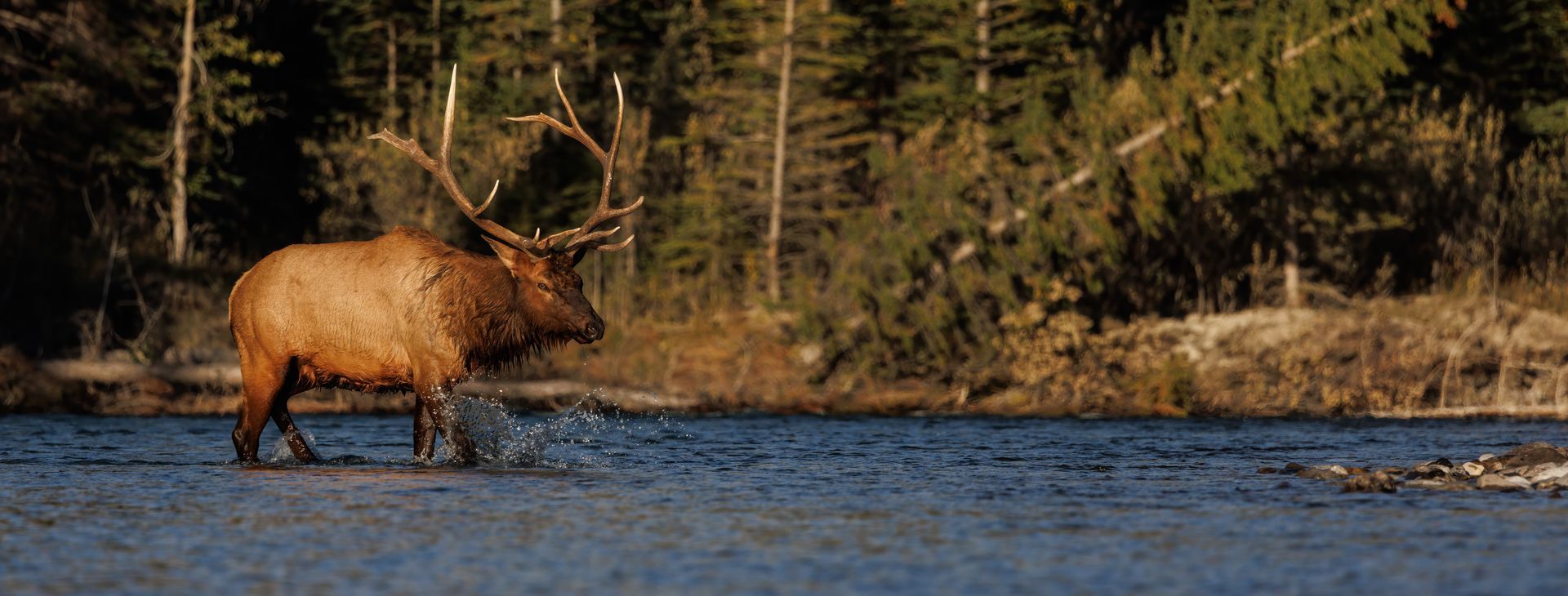
October 5th, 2026 | Oregon Hunters Association | OHA News | Management practices must target management objectives Currently, only 59% (20) of wildlife management units (WMUs) are above the population management objective (MO) for Rocky Mountain elk. Meanwhile, on the west side of the state, just 17% (3) of WMUs for Roosevelt elk are meeting their population management goals. In WMUs where elk populations are at or above their population MO, OHA strongly supports abundant antlerless elk hunting opportunities. This is adaptive management: when a resource exceeds established objectives, increased hunting opportunities should follow. Unfortunately, Rocky Mountain elk populations are below MO in 41% (14) of WMUs, while Roosevelt elk populations are below MO in 83% (15) of WMUs across Oregon. Many factors influence elk population trends, including forage quality and quantity, predation, development, disturbance (such as road density), and, to a lesser extent, disease. OHA is working to address all of these limiting factors. However, antlerless elk harvest can also have a significant impact on elk population size. Debates about the effects of these various factors on elk populations are warranted and should be part of the management discussion. However, hunters should not overlook the fact that increasing antlerless elk harvest is the primary way to reduce elk population size. While supporting robust antlerless elk hunting opportunities in WMUs at or above population MO, OHA is also advocating for a thorough review of antlerless elk tag allocations, including general-season antlerless elk damage tags, in areas where elk populations are not meeting management objectives. Rocky Mountain elk bull ratios are currently below MO in at least 17 WMUs, while Roosevelt elk bull ratios are below MO in at least eight WMUs. OHA supports efforts to address low bull ratios in the Coast Range and is encouraging the Oregon Department of Fish and Wildlife (ODFW) to address low bull ratios statewide. Above all, OHA is emphasizing the need to revise Oregon’s Elk Management Plan, which was published 23 years ago.
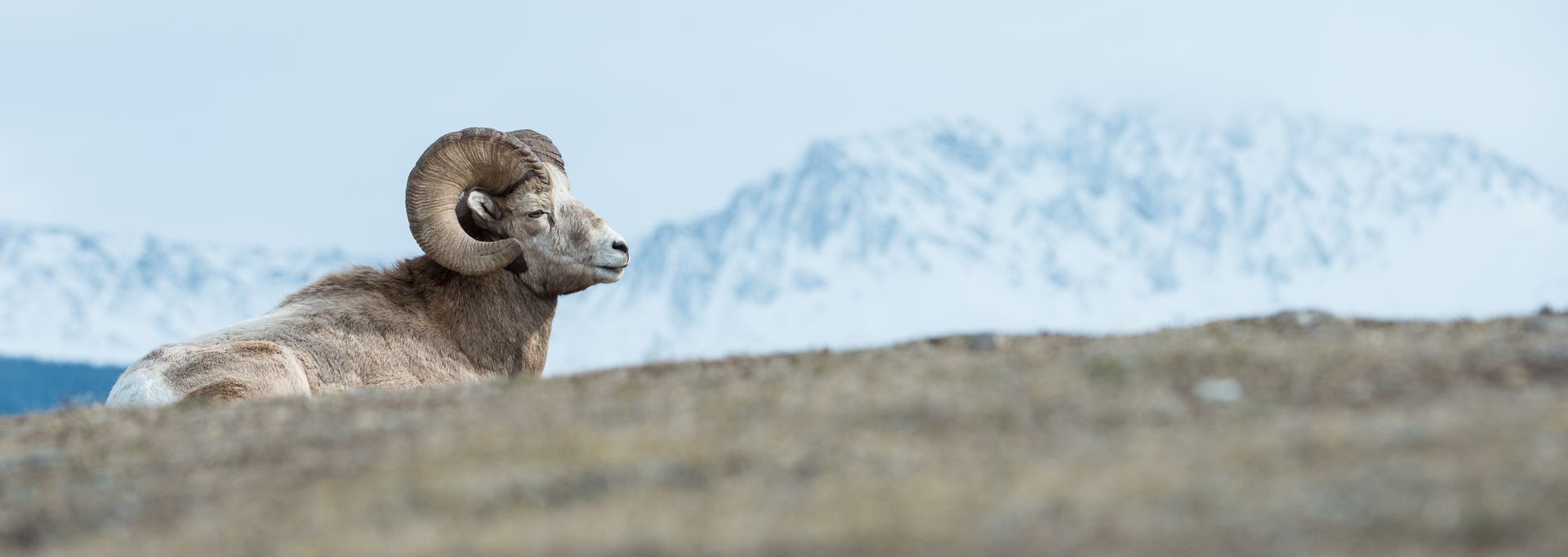
September 27th, 2026 | Oregon Hunters Association | OHA News | The Oregon Hunters Association (OHA) is supporting an effort to remove cougars in the Trout Creek Mountains to improve the success of future bighorn sheep translocations. The effort is intended to help establish and strengthen the existing herd as wildlife managers work to address its declining population and genetic diversity. The Oregon Department of Fish and Wildlife (ODFW) plans to translocate bighorn sheep in the near future to supplement the existing herd and enhance its genetic diversity. Successfully establishing these animals in their new surroundings will be an important part of that effort. Cougar predation has negatively affected bighorn sheep translocation efforts in Oregon, highlighting the challenges associated with introducing animals to a new landscape. Previous translocations have demonstrated how predation can affect the number of sheep that remain in an area following their release. In the early 2000s, three of the 17 bighorn sheep released during a translocation along the Minam River were killed by cougars within one week. In a separate translocation in the Steens Mountains, five of the 10 collared ewes were killed by cougars. In both instances, the remaining sheep scattered and left the area, further complicating the efforts to establish the animals in their intended locations. “The science is clear,” said OHA Conservation Director Tyler Dungannon. “If you want to successfully translocate bighorn sheep, in most cases, you need to first reduce predator densities and remove individuals that will prey upon the naïve ungulates that are new to the landscape.” OHA believes this effort will improve the likelihood of success for future bighorn sheep translocations in the Trout Creek Mountains. By addressing predation concerns ahead of the planned releases, the effort aims to support the existing herd and help improve its population size and genetic diversity over time. Although the primary objective is to benefit bighorn sheep, the effort may also have benefits for other wildlife in the region. The Trout Creek mule deer herd occupies a range currently listed as “very high management concern” in the Oregon Mule Deer Management Plan. While not the primary focus of the cougar removal effort, potential benefits to this mule deer herd provide an additional conservation consideration.
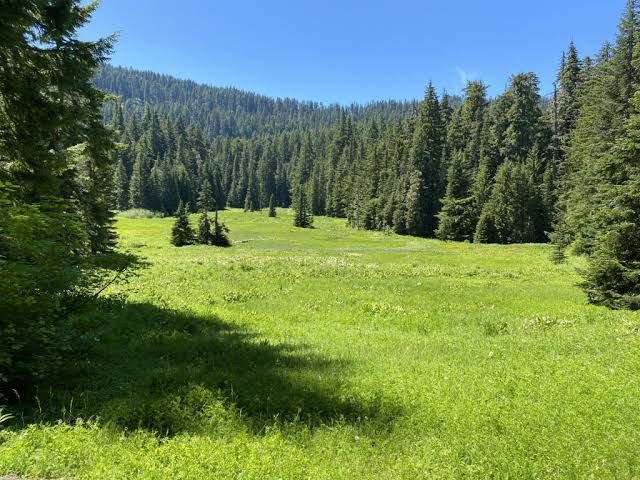
September 26th, 2026 | Oregon Hunters Association | OHA News | OHA worked with USFS and ODFW this summer to protect 480 acres across three areas in the Cascade Mountains: Willow Prairie, Short Creek Prairie and Whiskey Springs. The project included 6.5 miles of wildlife-friendly fencing. Volunteers also removed nearly as much old, dilapidated fencing. Meadow systems across the western Cascades are at risk of loss, degradation and fragmentation due to conifer encroachment, heavy use by domestic livestock, wildfire suppression and other factors. Willow Prairie and Whiskey Springs are high-risk groundwater infiltration areas that provide spring water for the Big Butte Springs Municipal Watershed, which supplies drinking water to approximately 140,000 people in the region. Wet meadow and spring systems provide critical habitat for a variety of species, including deer, elk, neotropical and migratory birds, owls, amphibians, reptiles, pollinators and small mammals. Fencing associated with the project should help prevent illegal off-road driving, which has damaged these mesic systems in the recent past. Fence strand spacing followed wildlife-friendly fencing standards, with 16 inches from the ground to the first smooth wire, 6 inches to the first barbed wire, 8 inches to the next barbed wire, and the top smooth wires installed 42 inches above the ground to reduce ungulate entanglements. OHA tallied more than 1,000 volunteer hours with help from eight OHA chapters. “This project was a tremendous effort by a number of OHA chapters,” said OHA Conservation Director Tyler Dungannon. “More than 100 volunteers shed blood and sweat for the protection of these critical meadows, and bringing so many chapters together exponentiated our impact.” OHA obtained a $50,000 grant from the Oregon Conservation and Recreation Fund to complete the project.

Join OHA to protect hunting rights & wildlife habitats in Oregon. Stand with us to defend your heritage and access to nature.

Bird’s Eye View

OHA now shifts focus to proactive long-term protections.
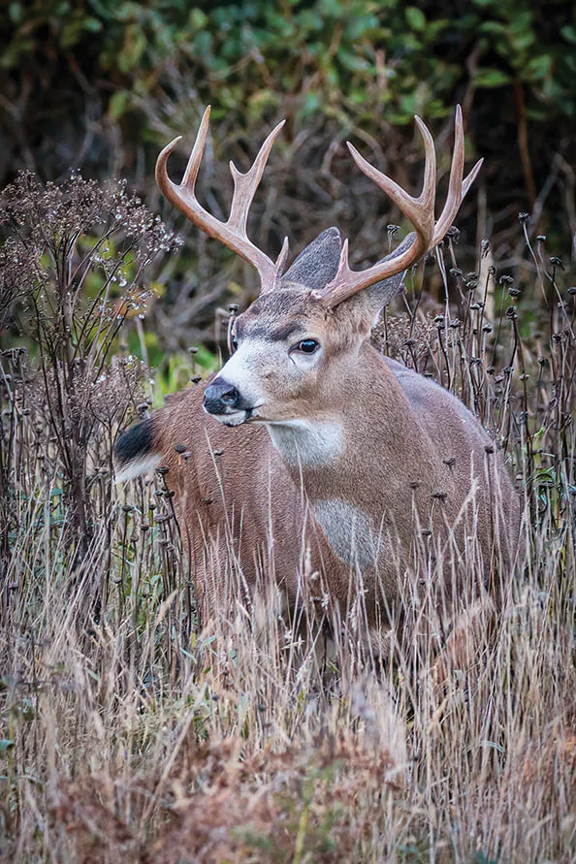
OHA launches Black-Tailed Deer & Roosevelt Elk Fund
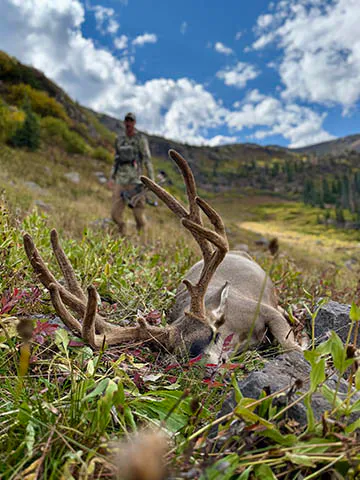
The U.S. Forest Service has proposed a revision to the Blue Mountains Forest Plan and offered three alternatives for consideration: Alternative 1 (no change) proposes continuing management under the existing 1990 Forest Plans and subsequent amendments. Alternative 2 replaces the 1990 plan with a new framework focused on restoring forest resilience through active management. It provides flexibility for vegetation treatments, prescribed fire, and timber harvest to improve forest health and restore desired forest conditions. This plan does not create fixed diameter limit for protecting large trees. It also updates riparian management, wildlife habitat direction, recreation management, grazing standards, and monitoring programs. Under Alternative 2, current designated roadless acres will be opened if the 2001 Roadless Rule rescission is upheld. Alternative 3 similarly prioritizes active management, but incorporates additional protections, such as permanently establishing the Inventoried Roadless Areas regardless of future changes to the national Roadless Rule. It also recommends approximately 34,000 acres of new Wilderness across the Malheur, Umatilla, and Wallowa-Whitman National Forests. This alternative limits the harvest of large trees based on a diameter at breast height (DBH) of 21 or 30 inches, depending on species, and provides additional vegetation protections in riparian areas. “We are reviewing the draft (Environmental Impact Statement) and are working to ensure the Blue Mountains Forest Plan prioritizes our deer and elk herds, their habitat quality and security, which impacts their availability to hunters in the fall,” said Tyler Dungannon, OHA Conservation Director. “It’s important that we cut trees and open the forest canopy so light hits the forest floor, which will improve forage quality for deer and elk. It’s also imperative that open roads don’t cover the landscape. Without secure acreage on public lands, elk will leave. OHA is working to balance road access with habitat security to retain elk on public land where they are desired.” A public comment period was opened July 2 and lasts until Sept. 30. To review a draft environmental impact statement and for information on how to comment, visit: https://www.fs.usda.gov/r06/umatilla/planning/blue-mountains-forest-plan-revision
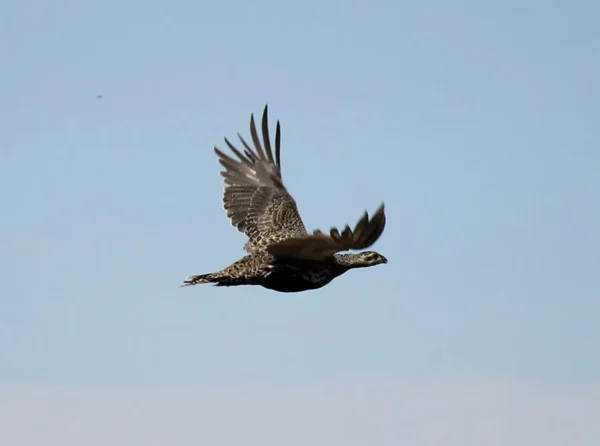
The Baker Priority Area of Conservation in northeastern Oregon supports one of the most vulnerable greater sage-grouse populations in the state. Recent monitoring estimates the population at approximately 475 birds. Despite significant habitat restoration and predator management investments, the Baker population continues to decline, indicating demographic limitations – particularly recruitment and retention of breeding females – are constraining recovery. State OHA along with OHA’s Mid-Willamette and Baker County chapters are financially supporting a new translocation project aiming to increase the number of breeding females that successfully recruit locally within 1 to 2 years post-release. OHA is the reason that we still have sage-grouse hunting seasons today, and this is yet another example of our commitment to the species’ conservation.
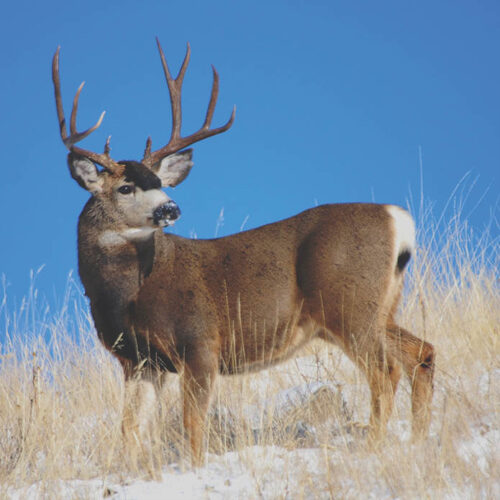
New mule deer hunt areas highlight changes for this fall.